UA-45667900-1
Showing posts with label CNTNAP2. Show all posts

Thursday, 23 April 2026

Ethosuximide to increase speech in some autism? and PTHS?


I have previously proposed the use of calcium T channel blockers to treat some types of autism. I did suggest that language might be a good target.


Time for T? Targeting language-associated gene Cntnap2 with a T-type calcium channel blocker corrects hyperexcitability driving sensory abnormalities, repetitive behaviors, and other ASD symptoms, but will it improve language? Will it also benefit Pitt Hopkins syndrome (PTHS) and broader autism?


I recently received a question from a reader who read an abstract from a paper presented to the Brain Foundation, that suggested Ethosuximide can increase speech in autism. She also asked what the effective dosage might be.

This subject has come up before in this blog. Ethosuximide is a very specific T channel blocker, commonly used to treat absence seizures. Some readers of this blog have already trialed it. The other interesting one is Zonisamide, which blocks T channels but also has other effects. We have reports that the starting low dose of Zonisamide had some interesting beneficial effects that were lost at the regular higher doses.

I did not expect to find much new information, but that changed when I found the patent document submitted by Charles Niesen. So here is a blog post dedicated to this specific subject.

Here is the full patent:


Method of treating expressive language deficit in autistic humans


Here is an easy-to-read summary:


A New Patent Claims an Unusual Approach to Autism Language Deficits

A recent patent proposes a novel pharmacological method for improving expressive language in individuals with autism. Rather than introducing a new drug, the invention repurposes a class of existing anticonvulsant medications—specifically succinimides such as ethosuximide, methsuximide, and phensuximide.

These drugs have long been used to treat epilepsy, particularly absence seizures. However, the patent suggests they may also address one of the most challenging aspects of autism: the inability to initiate and sustain meaningful verbal communication.


Understanding the Problem

Autism is often characterized by difficulties in social interaction, but a core feature—especially in more severe cases—is expressive language impairment. Many individuals with autism may speak only in short phrases or single words. Others may respond to questions but rarely initiate conversation or engage in back-and-forth dialogue.

This is distinct from related conditions like Asperger syndrome, where language is typically intact but social communication is impaired. In classic autism, the issue is not just how language is used—but whether it emerges spontaneously at all.

Currently, there are no FDA-approved medications specifically designed to improve expressive language in autism. Most available treatments focus on associated symptoms such as irritability, seizures, or attention deficits.


The Core Idea Behind the Patent

The patent proposes that daily administration of a succinimide anticonvulsant—most notably ethosuximide—over an extended period (typically several months) can significantly improve expressive language abilities.

Patients are treated for at least one month, with stronger effects reported after three to six months or longer. The goal is not just increased vocabulary, but a progression toward spontaneous speech and true conversational ability.


How Might This Work?

Ethosuximide works by blocking T-type calcium channels in the brain. These channels play a role in regulating neuronal activity and rhythmic signaling.

While the exact mechanism in autism is unknown, the patent speculates that modulating these channels may help normalize communication between brain regions involved in language. Another hypothesis is that the drug may “activate” previously underused or dormant neural circuits.

These ideas remain theoretical and are not yet confirmed by broader research.


Dosage and Treatment Approach

The proposed dosing follows standard epilepsy guidelines, typically ranging from 10 to 60 mg per kilogram of body weight per day. In many cases, a range of 20–40 mg/kg/day is used for children, while adolescents and adults may receive fixed doses between 150 mg and 1000 mg twice daily.

Treatment is administered consistently over months, with periodic evaluation of language and behavioral progress.


How Speech Was Measured

To evaluate improvement, the patent uses a simple but structured 7-point expressive language scale. This scale attempts to quantify how advanced a person’s spoken communication is, ranging from no speech at all to full conversational ability.

The scale is defined as follows:

  • 0 — Nonverbal: No meaningful spoken language
  • 1 — Echolalic: Repeats words or phrases (echoing others)
  • 2 — Single words: Uses isolated words to communicate
  • 3 — Phrases: Combines words into short phrases
  • 4 — Sentences: Forms complete, understandable sentences
  • 5 — Spontaneous speech: Initiates speech independently
  • 6 — Mutual speech: Engages in true back-and-forth conversation

This scale is central to the patent’s claims. Improvements are measured as movement upward along these stages—for example, progressing from single words (2) to phrases (3), or from sentences (4) to spontaneous speech (5).

The inventors argue that even a 1–2 point increase represents a meaningful functional gain in real-world communication.


Summary of the Reported Study

The patent describes a small observational study involving 24 patients with autism. Participants were treated with ethosuximide for periods ranging from one month to over six months.

Patients were grouped based on cognitive level, including normal IQ, borderline, mild impairment, and moderate impairment. Language ability was assessed using the 7-point scale described above.


Reported Outcomes

Across all groups, improvements in expressive language were observed. The most significant gains occurred in individuals with higher baseline cognitive function.

On average, patients improved by approximately two points on the language scale. This often meant progressing from single words to phrases, or from phrases to full sentences and occasional spontaneous speech.

In some documented cases, children who initially spoke only in isolated words were able to form sentences within six months and engage in basic conversation within a year.


Timeline of Improvement

Initial changes were sometimes observed within the first month of treatment. More consistent and substantial gains were reported after three months, with the most pronounced improvements occurring after six months or longer.

Interestingly, the progression of language development in treated patients appeared to mirror typical early childhood language acquisition—albeit delayed.


Persistence After Treatment

One of the more striking claims is that improvements persisted even after the medication was discontinued. In several cases, language abilities continued to develop beyond the treatment period.

This suggests the possibility of longer-term changes in neural function, rather than temporary symptom management.


Additional Observations

Beyond language, some patients also showed improvements in social interaction and mood. Increased engagement, better eye contact, and reduced irritability were noted in certain cases.

However, many participants were also receiving speech therapy and applied behavioral analysis (ABA), making it difficult to isolate the effects of the medication alone.


Safety Profile

Ethosuximide was generally well tolerated in the study. Known side effects include gastrointestinal discomfort, fatigue, and behavioral changes. Rare but serious risks—such as blood or liver abnormalities—are also associated with the drug and require medical supervision.


Age Range and Cognitive Profile of Participants

The patent provides limited but useful information about the participants’ ages and cognitive abilities.

Age Range

  • The study included both young children and adolescents.
  • Specific examples mention children as young as 3 years old and others up to around 12–15 years old.

Cognitive (IQ) Groups

Participants were divided into four categories based on cognitive level:

  • Normal IQ (NIQ)
  • Borderline IQ (BIQ)
  • Mild intellectual impairment (mMR)
  • Moderate intellectual impairment (moMR)


Key Takeaways

  • The strongest language improvements were reported in children with normal IQ.
  • Children with lower cognitive levels also improved, but to a lesser degree.
  • The results suggest that baseline cognitive ability may influence response to treatment.


Final Thoughts

This patent presents an intriguing hypothesis: that a well-established epilepsy medication may have the potential to improve core language deficits in autism.

The reported results are promising, particularly the magnitude of language gains and their persistence after treatment. However, the evidence is limited by the small sample size, lack of a control group, and reliance on a subjective rating scale.

As it stands, this work should be viewed as exploratory rather than definitive. Larger, controlled clinical trials would be needed to determine whether this approach truly offers a reliable and reproducible benefit.

Still, the idea highlights an important direction for future research—targeting the underlying neural mechanisms of communication itself, rather than just managing associated symptoms.


Critical periods and CNTNAP2

Another factor to consider is the role of developmental “critical periods,” when brain circuits involved in language are particularly plastic. Disruption of CNTNAP2 has been linked to altered neuronal connectivity and delayed circuit maturation, which may extend or shift these windows of plasticity. If so, interventions that stabilize network activity—such as T-type calcium channel modulation—might help enable more effective language development during these periods. This could potentially explain why some improvements, once initiated, continue even after treatment is stopped.

This also raises the possibility that timing may be critical. If language development depends on sensitive developmental windows, and pathways involving CNTNAP2 alter the timing of circuit maturation, then the age at which a treatment is given could determine its effectiveness. Interventions such as T-type calcium channel modulation may be more beneficial when applied during periods of higher neural plasticity, and less effective once circuits have become more established. This could help explain why any signal of benefit has been difficult to detect in routine clinical use.


Conclusion

The study did not have a placebo group. We know from many previous small studies that in most cases everyone improved in autism studies, including those who were assigned the placebo.

Has Niesen identified a simple therapy that will improve speech in autism?

If ethosuximide strongly improves language, why has this not already been noticed?

Neurologists have used ethosuximide for decades for autistic children with absence seizures, but it is not widely recognized as a language-enhancing drug.

I expect there likely is a subgroup of responders, but it will not be a silver bullet for all.

Ethosuximide is cheap, but it can have some unusual side effects.

Zonisamide is more predictable than Ethosuximide, but still can have problematic side effects, more so than drugs like bumetanide or atorvastatin.

It may be the case that responders to Ethosuximide do not need to take it permanently and that has to be factored into the side effect assessment.

Any potential benefit is likely limited to a specific subgroup, such as children with subtle absence seizures, epileptiform activity, or abnormalities in calcium channel signaling. One candidate subgroup involves mutations in the CNTNAP2 gene, which are associated with language impairment, autism, and increased neuronal excitability. Preclinical studies suggest that targeting T-type calcium channels in such models can reduce hyperexcitability and improve behavioral features, raising the possibility that drugs like ethosuximide may be more effective in individuals with similar underlying biology.

CNTNAP2 is also regulated by TCF4, the gene mutated in Pitt-Hopkins syndrome, a condition marked by profound speech deficits. This points to overlapping biological pathways underlying language impairment across different neurodevelopmental disorders and reinforces the idea that identifying responders will be key to determining clinical value.

So, another idea for Pitt Hopkins parents is to consider is Ethosuximide. Maybe the parents’ organisation should contact Charles Niesen to make a small clinical trial, like the forthcoming Clemastine one.



Friday, 28 March 2025

Time for T? Targeting language-associated gene Cntnap2 with a T-type calcium channel blocker corrects hyperexcitability driving sensory abnormalities, repetitive behaviors, and other ASD symptoms, but will it improve language? Will it also benefit Pitt Hopkins syndrome (PTHS) and broader autism?


Zonisade 100 mg/5 mL oral suspension medicine


There are at least 2 Natasas I can think of who will like this post.

Today’s post revisits the subject of calcium channels in autism.  Ion channel dysfunctions are a favourite area of mine because many should be treatable by repurposing safe, existing drugs. I do take note that many readers of this blog have reported success by targeting L-type calcium channels.

Many years ago, at the start of this blog, I recall reading about Timothy syndrome and a researcher at Stanford, Ricardo Dolmetsch, who was exploring treatment using a T-type calcium channel blocker.  It turned out that he had a son with severe autism, which was driving his interest at that time. He won all kinds of awards, but I always wondered why he did not treat his own son.

It is quite strange because Timothy syndrome is caused by a gain of function of an L-type channel. This mutation causes the Cav1.2 channel to fail to inactivate properly after opening. As a result, there is prolonged calcium influx into cells.

Instead of blocking Cav1.2, the researchers blocked the T-channels Cav3.2 and 3.3.

I did my homework on idiopathic autism a dozen years ago and concluded I needed to block Cav1.2. I went ahead and did it – it works like a charm.

It was a real drama back in those days, with self-injury and aggression, so Timothy syndrome and T channels remains stuck in my mind a decade later.


Language Genes

Even before parents worry about self-injurious behavior (SIB), they go through the phase of worrying about if their child will ever speak. Some do and some do not.  What really matters is communication, rather than speech.


FOXP2 - The language Gene

FOXP2 is a transcription factor involved in the development of neural circuits related to speech and language production, particularly in areas such as the basal ganglia and cerebellum. Mutations in FOXP2 can lead to speech and language deficits.

FOXP2 influences motor control and vocalization processes that are critical for speech, and it is thought to have evolved specifically in humans to support complex language abilities.


CNTNAP2 - The language-associated gene

CNTNAP2 (Contactin-associated protein-like 2) is a gene that encodes a cell adhesion protein. It plays a critical role in the development of neural connectivity and the formation of synapses in areas of the brain involved in language, such as the broca’s area and temporal lobes. CNTNAP2 is also involved in the regulation of neuronal excitability and is crucial for the development of white matter tracts that connect language-related brain regions.

Mutations in CNTNAP2 have been implicated in neurodevelopmental disorders such as specific language impairment (SLI), autism, and developmental language disorders.


FOXP2 and CNTNAP2 Interaction

FOXP2 and CNTNAP2 work together in the development of the neural circuits that are crucial for language and speech. They are both involved in the formation and maintenance of synaptic connections in key brain regions like the cortex, basal ganglia, and cerebellum, which are critical for motor control, vocalization, and language processing.

There is evidence to suggest that FOXP2 may regulate the expression of CNTNAP2 as part of a broader gene network that governs language development. FOXP2 may influence CNTNAP2 gene expression, which in turn impacts neural connectivity and synaptic function in brain regions responsible for speech and language.


CNTNAP2 sounds familiar?

We have come across this gene before.

At least one reader has a child with a mutation in this gene.

We also discovered that the Pitt Hopkins gene TCF4 regulates CNTNAP2 and that

“PTHS (Pitt Hopkins syndrome) is characterised by severe intellectual disability, absent or severely impaired speech, characteristic facial features and epilepsy. Many of these features are shared with patients carrying CNTNAP2 mutations, leading researchers to test patients with PTHS-like features for CNTNAP2 mutations”

Several readers have children with PTHS (Pitt Hopkins syndrome).

It is not inconceivable that what works for CNTNAP2 will also work for at least some PTHS (Pitt Hopkins syndrome).

The question is whether what works for CNTNAP2 will work much more broadly and could it even improve language development?


Here is the recent research from Stanford:


Reticular Thalamic Hyperexcitability Drives Autism Spectrum Disorder Behaviors in the Cntnap2 Model of Autism

Autism spectrum disorders (ASDs) are a group of neurodevelopmental disorders characterized by social communication deficits, repetitive behaviors, and comorbidities such as sensory abnormalities, sleep disturbances, and seizures. Dysregulation of thalamocortical circuits has been implicated in these comorbid features, yet their precise roles in ASD pathophysiology remain elusive. This study focuses on the reticular thalamic nucleus (RT), a key regulator of thalamocortical interactions, to elucidate its contribution to ASD-related behavioral deficits using a Cntnap2 knockout (KO) mouse model. Our behavioral and EEG analyses comparing Cntnap2+/+ and Cntnap2-/- mice demonstrated that Cntnap2 knockout heightened seizure susceptibility, elevated locomotor activity, and produced hallmark ASD phenotypes, including social deficits, and repetitive behaviors. Electrophysiological recordings from thalamic brain slices revealed increased spontaneous and evoked network oscillations with increased RT excitability due to enhanced T-type calcium currents and burst firing. We observed behavior related heightened RT population activity in vivo with fiber photometry. Notably, suppressing RT activity via Z944, a T-type calcium channel blocker, and via C21 and the inhibitory DREADD hM4Di, improved ASD-related behavioral deficits. These findings identify RT hyperexcitability as a mechanistic driver of ASD behaviors and underscore RT as a potential therapeutic target for modulating thalamocortical circuit dysfunction in ASD.

Teaser RT hyperexcitability drives ASD behaviors in Cntnap2-/- mice, highlighting RT as a therapeutic target for circuit dysfunction.


Overall, this study identifies elevated RT burst firing and aberrant thalamic oscillatory dynamics in Cntnap2−/− mice as a key driver of ASD-related behavioral deficits. If this is a common mechanism of ASD-circuit pathology arising from a variety of genetic causes, then compounds such as Z944, or subtype specific T-type calcium channel antagonists that would target the Cav3.2 and Cav3.3 expressed in RT neurons, might be an effective therapeutic strategy. Furthermore, future research should focus on elucidating RT’s roles in sensory, emotional, and sleep regulation to optimize therapeutic strategies in the context of ASD.


Existing T-type calcium channel blockers for humans

Mibefradil is one of the most well-known T-type calcium channel blockers. It was initially developed for hypertension and angina because of its ability to block T-type channels. However, mibefradil was withdrawn from the market in 1998 due to serious drug interactions with other medications, particularly those that inhibit liver enzymes involved in drug metabolism, like statins.

Despite its withdrawal, mibefradil has been studied for other potential uses, including in epilepsy and chronic pain, due to its effects on neuronal excitability.

Zonisamide is an anticonvulsant medication that has some T-type calcium channel blocking properties. It is approved for epilepsy and partial seizures, but it is not typically used specifically for Timothy syndrome or conditions involving T-type channel dysfunction.

Zonisamide is also used to treat seizures in pet dogs and cats.  


Zonisamide: chemistry, mechanism of action, and pharmacokinetics

Zonisamide is a novel antiepileptic drug (AED) that was developed in search of a less toxic, more effective anticonvulsant. The drug has been used in Japan since 1989, and is effective for simple and complex partial seizures, generalized tonic-clonic seizures, myoclonic epilepsies, Lennox–Gastaut syndrome, and infantile spasms. In Japan, zonisamide is currently indicated for monotherapy and adjunctive therapy for partial onset and generalized onset seizures in adults and children. In the United States, zonisamide was approved by the Food and Drug Administration (FDA) in 2000 as an adjunctive treatment for partial seizures.

The drug’s broad spectrum of activity and favorable pharmacokinetic profile offer certain advantages in the epilepsy treatment armamentarium. Chemically distinct from other AEDs, zonisamide has been shown to be effective in patients whose seizures are resistant to other AEDs. Zonisamide’s long plasma elimination half-life has allowed it to be used in a once-daily or twice-daily treatment regimen in Japan.

It is believed that zonisamide’s effect on the propagation of seizure discharges involves blocking the repetitive firing of voltage-sensitive sodium channels, and reducing voltage-sensitive T-type calcium currents without affecting L-type calcium currents. These mechanisms stabilize neuronal membranes and suppress neuronal hypersynchronization, leading to the suppression of partial seizures and generalized tonic–clonic seizures in humans.

Zonisamide possesses mechanisms of action that are similar to those of sodium valproate, e.g., suppression of epileptogenic activity and depression of neuronal responses. These mechanisms are thought to contribute to the suppression of absence and myoclonic seizures.


Conclusion

It would seem that zonisamide should be trialed in:

·        CNTNAP2-related neurodevelopmental disorder

·        Pitt Hopkins syndrome (PTHS)

·        Timothy syndrome

·        Idiopathic/polygenic autism

(But, don’t hold your breath!)

Due to the nature of CNTNAP2 disorder and PTHS, I think the greatest impact will be if given from a very young age. However, we do see improvements with many autism interventions regardless of age.

It is certainly conceivable that even mild autism can benefit from damping down reticular thalamic (RT) hyperexcitability.

If shown effective, zonisamide would join the long list of anti-epileptic drugs (AEDs) “repurposable” to treat certain subtypes of autism.


Tuesday, 22 February 2022

From a SWAN to Chopra-Amiel-Gordon Syndrome and the emergence of “-like” syndromes, CNTNAP2 etc


SWAN (Syndrome Without A Name)


 Today’s post is complicated, it is aimed at people who:

·        are interested in genetic testing for autism 

·        are affected by miss-expression of the genes:-

·        ANKRD17

·        TCF4

·        CNTNAP2

·        NRXN1


It is one of those posts that could go on forever; the more you dig, the more you uncover and you wonder why other people (salaried researchers) are not doing this.

Today’s post is mainly about a gene called ANKRD17, but it does highlight more general principles about those genetic testing results, some parents strive to obtain.  It does look at downstream effects of Pitt Hopkins Syndrome and “Pitt Hopkins-like Syndrome”, which likely merge into mainstream autism.

Many single gene autisms have already been identified, some have names and some are still SWANs (Syndromes Without A Name). Some syndromes have long been identified,  but their biological basis had not been identified.  From last year, loss of function of the gene ANKRD17 became Chopra-Amiel-Gordon Syndrome.  

Our reader Mary’s whole exome sequencing (WEG) from a few years ago, for her daughter, has now been flagged up as carrying a mutation leading to Chopra-Amiel-Gordon Syndrome.

In effect, the mutation in ANKRD17 went from be of no confirmed relevance to autism, to being causal, thanks to Dr Chopra and her pals.

This highlights the weakness in the interpretation of genetic testing.  Any benchmark list of autism genes is just a work in progress; your mutation may not yet be there.

Another gene recently queried by a reader was CNTNAP2, this turns out to a key DEG (differentially expressed gene) of a syndrome with its own name, Pitt Hopkins Syndrome, caused by reduced expression of TCF4 (Transcription Factor 4).  Reduced expression of TCF4 has very many effects, but one effect is to reduce expression of CNTNAP2.

In lay-speak, lack of TCF4 causes a cascade of effects, one of which is on the expression of CNTAP2.  We see that people with a CNTAP2 mutation share many of the features of people having a TCF4 mutation.  So, of all the many effects caused by TCF4, those along the TCF4-CNTAP2 pathway should be focused on.  The mutation in CNTNAP2, quite rationally, is now called Pitt Hopkin-like Syndrome-1.  There is also a Pitt Hopkin-like Syndrome-2 which is caused by a mutation in NRXN1 (neurexin 1). 


https://royalsocietypublishing.org/doi/pdf/10.1098/rsob.210091


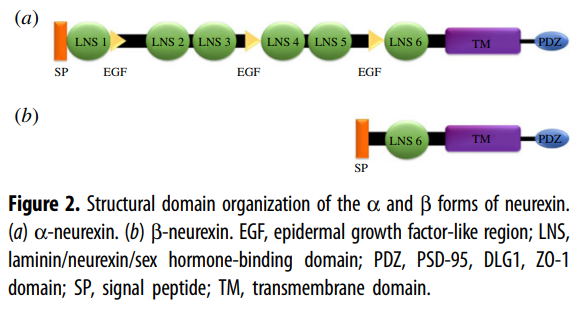
In mammals, the neurexins are encoded by three NRXN genes (NRXN1-3), each of which has both an upstream promoter that is used to generate the α-neurexins, and a downstream promoter that is used to generate the shorter β-neurexins [13,15].


α-neurexins are composed of six large extracellular laminin/neurexin/sex hormone-binding (LNS) globulin domains with three interspersed epidermal growth factor (EGF)-like regions


Just note the term EGF.


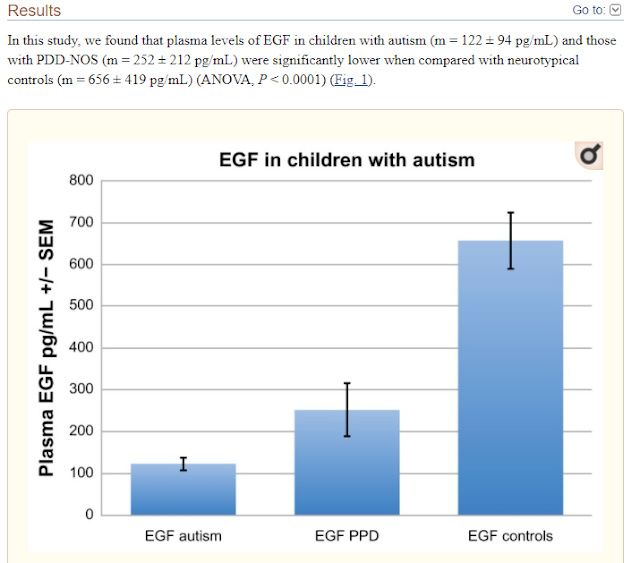
In very recent research we see that a reduction in epithelial growth factor may be what is driving some of the key clinical features, such as lack of language.


Role of CNTNAP2 in autism manifestation outlines the regulation of signaling between neurons at the synapse

CNTNAP2 has been identified as a master gene in autism manifestation responsible for speech-language delay by impairing the EGF protein domain and downstream cascade. The decrease in EGF is correlated with vital autism symptoms, especially language disabilities.

Autism exhibits genetic heterogeneity, and hence, it becomes difficult to pinpoint one single gene for its manifestation. The gene clusters with varied pathways show the convergence of multiple gene variants, resulting in autism manifestation. Whole-exome sequencing proves to be a reliable tool for deciphering the causal genes for autism manifestation. Deciphering the autism exome identified the mutational landscape derived from single and multi-base DNA variants. Genes carrying mutations were identified in synaptogenesis processes, EGF signaling, and PI3K/MAPK signaling. Protein-protein interactions of NrCAM and CNTN4 with CNTNAP2 increased the impact and burden on autism.


Shining a light on CNTNAP2: complex functions to complex disorders

TCF4 encodes a basic helix-loop-helix (bHLH) transcription factor that binds near the start site of CNTNAP2 to upregulate its expression (Figure 1a).48 In humans, TCF4 is more highly expressed in the neocortex and hippocampus than in the striatum, thalamus and cerebellum.49 Mutations in TCF4 have been shown to cause Pitt–Hopkins syndrome (PTHS) and three rare TCF4 SNPs are associated with schizophrenia.17495051 PTHS is characterised by severe intellectual disability, absent or severely impaired speech, characteristic facial features and epilepsy.52 Many of these features are shared with patients carrying CNTNAP2 mutations, leading researchers to test patients with PTHS-like features for CNTNAP2 mutations.17 Two mutations affecting the CNTNAP2 locus (one homozygous and one compound heterozygote) were identified in two independent pedigrees (Table 1). This suggested that disruption of the TCF4–CNTNAP2 pathway could be related to intellectual disability, seizures, and/or behavioural abnormalities.


One of our readers in Australia recently queried the potential significance of a mutation (an SNP) in CNTNAP2.  Based on the above, it clearly could be very important. 

What is the common link between TCF4, CNTNAP2 and NRXN1? It would seem to be EGF (epidermal growth factor).

It looks quite possible that EGF is disturbed in much broader autism. It appears that inflammation may reduce EGF levels. It is a rather circular argument, but we also know that EGF reduces inflammation.

To sum up people, with autism likely want more EGF and we already knew that they definitely want less inflammation.  

Decreased Epidermal Growth Factor (EGF) Associated with HMGB1 and Increased Hyperactivity in Children with Autism

These results suggest an association between decreased plasma EGF levels and selected symptom severity. We also found a strong correlation between plasma EGF and HMGB1, suggesting inflammation is associated with decreased EGF.


ANKRD17 

Finally, we get back to ANKRD17. 

Our reader Mary has already highlighted this recent paper: - 

Heterozygous ANKRD17 loss-of-function variants cause a syndrome with intellectual disability, speech delay, and dysmorphism


Dysmorphic facial features of the ANKRD17-related disorder


ANKRD17 is an ankyrin repeat-containing protein thought to play a role in cell cycle progression, whose ortholog in Drosophila functions in the Hippo pathway as a co-factor of Yorkie. Here, we delineate a neurodevelopmental disorder caused by de novo heterozygous ANKRD17 variants. The mutational spectrum of this cohort of 34 individuals from 32 families is highly suggestive of haploinsufficiency as the underlying mechanism of disease, with 21 truncating or essential splice site variants, 9 missense variants, 1 in-frame insertion-deletion, and 1 microdeletion (1.16 Mb). Consequently, our data indicate that loss of ANKRD17 is likely the main cause of phenotypes previously associated with large multi-gene chromosomal aberrations of the 4q13.3 region. Protein modeling suggests that most of the missense variants disrupt the stability of the ankyrin repeats through alteration of core structural residues. The major phenotypic characteristic of our cohort is a variable degree of developmental delay/intellectual disability, particularly affecting speech, while additional features include growth failure, feeding difficulties, non-specific MRI abnormalities, epilepsy and/or abnormal EEG, predisposition to recurrent infections (mostly bacterial), ophthalmological abnormalities, gait/balance disturbance, and joint hypermobility. Moreover, many individuals shared similar dysmorphic facial features. Analysis of single-cell RNA-seq data from the developing human telencephalon indicated ANKRD17 expression at multiple stages of neurogenesis, adding further evidence to the assertion that damaging ANKRD17 variants cause a neurodevelopmental disorder.


Neonatal growth parameters were normal in the majority of individuals (Table S2) but postnatal growth failure was a feature of almost half of the individuals (height < 2 SD in n ¼ 12 and weight < 2 SD in n ¼ 9). One individual with marked growth failure (individual 3, height 3.8 SD) was under treatment with growth hormone (GH), although GH stimulation testing was normal. Feeding difficulties, especially reduced oral intake, were reported at some stage in 11 individuals, 5 of whom required G-tube nutritional supplementation. Postnatal microcephaly (OFC < 2SD) was noted in seven individuals, and macrocephaly in four (one of these individuals, however, also harbored a pathogenic de novo NSD1 variant (GenBank: NM_022455.4, c.2615T>G [p.Leu872*]). Epilepsy was reported in nine individuals (individuals 1, 2, 16, 19, 21, 25, 27, 28, and 33), with an age of onset of under 2 years for five individuals (individuals 1, 2, 16, 19, and 25). Focal seizures with secondary generalization was the most common seizure subtype, present in five individuals (individuals 1, 2, 21, 25, and 27). One individual had Lennox-Gastaut epilepsy (individual 16), one had tonic seizures with head deviation (individual 19), one had mixed myoclonic and tonic-clonic epilepsy (individual 33), and another a mixture of tonic-clonic and absence seizures (individual 28). Seizures were well controlled (less frequent than every 2 years) in five individuals (individuals 2, 21, 25, 28, and 33), all of whom were on three or fewer antiepileptic drugs (AEDs). Moderate control, with seizures every 2–3 months, was reported in individual 1, who was on Valproate monotherapy. Two individuals had refractory epilepsy during at least parts of their disease course—individual 19 who had frequent tonic seizures in infancy that resolved with topiramate monotherapy and individual 16 Table 2. Frequencies of phenotypic characteristics of individuals with ANKRD17 variants Frequency Sex F ¼ 19, M ¼ 15 Growth Height < 2 SD 12/31 Weight < 2 SD 9/30 OFC < 2 SD 7/31 OFC > 2 SD 4/31 Development DD or ID 31/34 severe 7 moderate 12 mild 5 borderline 7 Motor delay 20/29 Speech delaya 29/32 Other ASD, n ¼ 8; ADHD, n ¼ 4 Neurology Epilepsy 9/33 Abnormal EEG 10/23 Brain MRI abnormalities 11/23 Gait or balance abnormalities 9/25 Spasticity or hypertonia 4/26 Other Recurrent infections 11/33 Feeding problems 11/27 Palate abnormalities 3/34 Hypermobility 9/29 Ophthalmological abnormalities 13/23 Miscellaneous Minor digital anomalies 6 Genitourinary abnormalities 5 Pigmentary abnormalities 4 Scoliosis 3 Abnormal bone mineralization 2 Prominent blood vessels 2 ADHD, attention deficit hyperactivity disorder; ASD, autism spectrum disorder a For details see Table S1 The American Journal of Human Genetics 108, 1138–1150, June 3, 2021 1143 who had multiple seizures every day despite three AEDs. Further details of epilepsy phenotype, including previously trialled AEDs, are noted in Table S2. There were four individuals without epilepsy in whom an abnormal EEG was recorded. Other neurological features include poor balance and/or abnormal gait (9/25) and peripheral spasticity (4/26, one of whom one was microcephalic). Neuroimaging abnormalities were identified in 11 of the 23 individuals in whom an MRI was recorded. Abnormalities include decreased white matter volume (individuals 14, 16, and 18), thinning of the corpus callosum (individuals 14 and 19), optic nerve hypoplasia (individuals 18 and 19), a localized hyperintensity (individuals 7 and 31), right temporal sclerosis (individual 16), dilated Virchow-Robin spaces (individual 6), periventricular nodular heterotopia (individual 30), and an arachnoid (individual 24) and pineal cyst (individual 16). Ophthalmological abnormalities were reported in 13/23 individuals. There were nine individuals with recurrent bacterial infections, one with recurrent viral infections, and one individual with recurrent infections that were both viral and bacterial. The source of bacterial infection was primarily the upper and lower respiratory system and the middle ear (nine individuals) and in some cases required hospitalization. Two individuals were on low-dose prophylactic antibiotics for recurrent otitis media or respiratory tract infections. Notably, individual 26 had a history of pseudomonas and methicillin-resistant staphylococcal aureus (MRSA) infection on his toes. Immunology assessments were recorded in five individuals, details of which can be found in Table S2, with no obvious immunodeficiency identified in these individuals. Generalized joint hypermobility was reported in 9/29 individuals. Notably, there were two individuals with cleft palate in the context of Pierre Robin sequence (PRS) and another with cleft lip and palate. Other infrequent features include minor digital anomalies (n ¼ 6), genitourinary abnormalities (n ¼ 5, of whom three had unilateral renal agenesis), abnormal skin pigmentation (n ¼ 4), scoliosis (n ¼ 3), abnormality of bone mineralization (n ¼ 2), and cutaneous prominence of blood vessels (n ¼ 2). Figure 2 shows the facial features of individuals with the ANKRD17-related neurodevelopmental disorder. Key dysmorphic features include a triangular-shaped face found in 10 of the 24 individuals for whom photos were available with a high anterior hairline (19/24), eyes which are either deep-set (5/24) or almond shaped (8/24) with periorbital fullness (6/24), thick nasal alae and flared nostrils (9/24), full cheeks (7/24), and a thin upper lip (12/24). The degree of dysmorphism was variable, with several individuals (particularly individuals 8 and 10) presenting with only subtle dysmorphic characteristics. Persistence of the high anterior hairline, periorbital fullness, and full cheeks into adulthood is demonstrated in individual 12 (age 30 years) and individual 25 (age 34 years). A number of diagnoses had been considered in several individuals prior to the identification of an ANKRD17 variant, including SATB2-associated syndrome (MIM: 612313) in individual 5 who presented with PRS, triangular facies and speech delay, and Floating-Harbour syndrome (MIM: 136140) in individual 9 who presented with marked short stature (height < 3 SD), microcephaly (head circumference < 2.5 SD), dysmorphic features, and borderline ID. This highlights the phenotypic overlap of the ANKRD17-related disorder with a number of other genetic syndromes, notably those with expressive language delay. In our cohort, significant speech delay was reported in most individuals (n ¼ 29) even in those with IQ in the borderline range. The finding that verbal IQ was reduced relative to performance IQ in three of the five individuals for whom deep neuropsychological phenotyping was available adds further evidence to our observation that expressive language is particularly affected in this disorder


How were the 34 individuals identified?

In the Table 1 of the paper, we see that the great majority of the children had been identified from WES (whole exome sequencing), a few had WGS (whole genome sequencing) and just one via micro array testing.

They families clearly opted to share their data, in the hope of some researcher finding it useful later, as Chopra, Amiel and Gordon clearly did after a few years later.


How do you figure out the DEGs (differentially expressed genes)?

To treat ANKRD17 deficiency (now known as Chopra Amiel Gordon Syndrome) you have a choice.

·        Increase expression of ANKRD17 via gene therapy, or a drug (if that were possible)

·        Treat some of the downstream DEGs (Differentially Expressed Genes)

Mary asked how you could identify the DEGs, given there is only one paper published on Chopra Amiel Gordon Syndrome.

You can start by reviewing everything known about ANKRD17.

A very good place to start is on the GeneCards website.

https://www.genecards.org/cgi-bin/carddisp.pl?gene=ANKRD17


Most people will end up having to learn some new words to understand everything on the above website. 

The first thing to note is just how wide ranging are the functions of this gene and this accounts from the wide-ranging problems associated with it.  It even plays a role in dealing with both viral and bacterial infections.

It is particularly upregulated in the fetal brain and that likely leads to the autism/ID related effects.

Protein differential expression in normal tissues from HIPED for ANKRD17 Gene 

This gene is overexpressed in Lung (18.9), Platelet (15.4), Retina (8.4), and Fetal Brain (6.4).


We can see that this gene is associated with Chopra Amiel Gordon Syndrome and Non-Specific Syndromic Intellectual Disability.

Quite possibly, Non-Specific Syndromic Intellectual Disability was used as a term because Chopra Amiel Gordon Syndrome did not yet exist.

But is useful to look up Non-Specific Syndromic Intellectual Disability, to see which other genes are listed.  This then tells you much about what can cause ID.  Follow the link below. 

https://www.malacards.org/card/non_specific_syndromic_intellectual_disability

We see a very long list of syndromes and genes.

There are 61 genes listed.

Going back to the Genecards ANKRD17 page, we can see if there are known protein interactions that might result in autism/ID.


 For even more related genes/proteins you can look here

 https://string-db.org/cgi/network?taskId=b8Tr5wHDZSsf&sessionId=b1SfhFTkjWxd


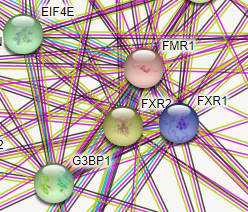
EIF4E2 does look familiar, and I recall a link to Fragile X.  So, I looked it up.

Note that we see both EIF4E and EIF4E2 - Eukaryotic Translation Initiation Factor 4E Family Member 2.  Note that is has a second name, 4EHP. 

EIF4E2 is a version/homolog of EIF4E 

EIF4E2 = 4EHP 


The eIF4E homolog 4EHP (eIF4E2) regulates hippocampal long-term depression and impacts social behavior 

Background: The regulation of protein synthesis is a critical step in gene expression, and its dysfunction is implicated in autism spectrum disorder (ASD). The eIF4E homologous protein (4EHP, also termed eIF4E2) binds to the mRNA 5' cap to repress translation. The stability of 4EHP is maintained through physical interaction with GRB10 interacting GYF protein 2 (GIGYF2). Gene-disruptive mutations in GIGYF2 are linked to ASD, but causality is lacking. We hypothesized that GIGYF2 mutations cause ASD by disrupting 4EHP function.


4EHP is expressed in excitatory neurons and synaptosomes, and its amount increases during development. 4EHP-eKO mice display exaggerated mGluR-LTD, a phenotype frequently observed in mouse models of ASD. 


Conclusions: Together these results demonstrate an important role of 4EHP in regulating hippocampal plasticity and ASD-associated social behaviors, consistent with the link between mutations in GIGYF2 and ASD.


The disruption of protein synthesis (mRNA translation or translation) in the brain by genetic perturbations of its regulators constitutes a known underlying etiology for ASD [23]. For most mRNAs, initiation of translation requires binding of initiation factors to their 5′ end at a modified guanine nucleotide (m7GpppN, where N is any nucleotide) termed the 5′ cap [4]. The eukaryotic initiation factor (eIF) 4F complex is comprised of the cap binding protein eIF4E, an mRNA helicase eIF4A, and a molecular scaffold eIF4G. Together these proteins facilitate recruitment of the ribosomal 43S preinitiation complex to the mRNA. Overactivity of eIF4E in humans has been implicated in ASD [56] and ASD-like phenotypes in mice [78]. Indeed, disruption of the proteins regulating eIF4E activity, such as fragile X mental retardation protein (FMRP) [9], cytoplasmic FMR1 interacting protein 1 (CYFIP1) [10], and eIF4E-binding protein 2 (4E-BP2) [81112], is implicated in ASD. It is therefore necessary to investigate the function of ASD-linked genes that encode for regulators of translation. Whole-genome sequencing of ASD patients has been invaluable in identifying these genes.


If you look up the protein interaction for the Fragile X gene (FMRI), you do indeed see EIF4E close by.  FMR1 encodes the fragile X mental retardation protein.


This blog is full of ideas regarding treating Fragile X, because there are so many studies of that type of autism.

It is rather mind-boggling that there are still no approved therapies for Fragile X.  The same holds true for Down Syndrome (DS).  This is a recurring story, where it pays to be the early adopter, not one of the passive followers.


Leaky ATP from either Mitochondria or Neurons in Fragile X and Autism

l

In that post I suggested Mirapex - a miracle for Fragile X?”


In the post below we saw how EIF4E leads to autism, and how FMRP from Fragile-X affects EIF4E.


Vasopressin, Oxytocin, the Lateral Septum, Aggression and Social Bonding, Autism gene NLGN3 and MNK inhibitors for reversing Fragile-X and likely more Autism


One of the papers below goes further and suggests

“This work uncovers an unexpected convergence between the genetic autism risk factor Nlgn3, translational regulation, oxytocinergic signalling, and social novelty responses”

“We propose that pharmacological inhibition of MNKs may provide a new therapeutic strategy for neurodevelopmental conditions with altered translation homeostasis”

“Our work not only highlights a new class of highly-specific, brain-penetrant MNK inhibitors but also expands their application from fragile X syndrome to a non-syndromic model of ASD”


Regarding Fragile X 

“Collectively, this work establishes eFT508 (an MNK inhibitor) as a potential means to reverse deficits associated with FXS.”


Conclusion 

My quick look at the subject suggests that, amongst other likely DEGs, the NLGN (neuroligin) genes are quite possibly miss-expressed.

In humans, alterations in genes encoding neuroligins are implicated in autism and other cognitive disorders.

In Genecards the association is with EIF4E2 rather than the EIF4E, which we know affects neuroligin expression. But EIF4E2 is just a version of EIF4E.

These protein interaction maps are not perfect and different sources often come up with slightly different maps.


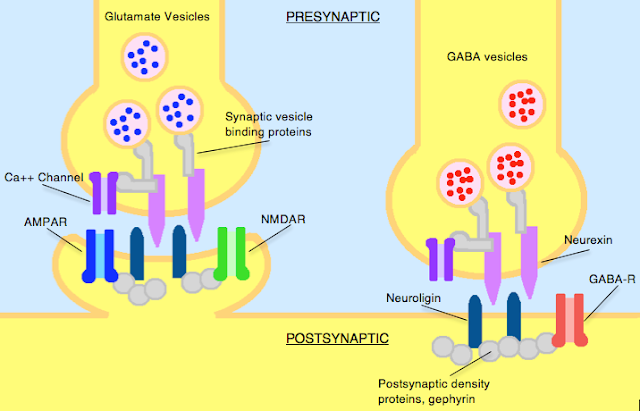
What are Neurexins and Neuroligins?

Neurexins and neuroligins are synaptic cell-adhesion molecules that connect pre- and postsynaptic neurons at synapses, they mediate signalling across the synapse, and shape the properties of neural networks by specifying synaptic functions. Neurexins and neuroligins are therefore very important and can be dysfunctional in autism.

It looks like growth signaling is disturbed in Chopra-Amiel-Gordon Syndrome, but it not always in the same way. Both too much and too little growth are possible.

An MRI would not be a bad idea, and measuring the corpus callosum would be helpful. The corpus callosum connects the right and left side of the brain and is the largest white matter structure in the brain, which means lots of myelin should be there.

If it is very narrow, that would tell you something, hopefully it is normal.  You cannot really change its size, but if it lacked myelination that might be something you could affect.   

Positive Correlations between Corpus Callosum Thickness and Intelligence


Trying the cheap and partially effective treatments for fragile X might be helpful.  It is possible that the Fragile X DEGs overlap with the Chopra-Amiel-Gordon Syndrome DEGs.

The following drugs are cheap generics that are helpful, to some extent, in Fragile-X.

·        Metformin

·        Lovastatin

·        Baclofen


As the altered E/I balance is present in Fragile X and most autism, it would be worthwhile trying the E/I corrective therapies that exist, in case one is beneficial.  There are different causes of an E/I imbalance, but since there are not many therapies, it is easier to just try them one by one. 

It is also highly likely that common features of autism may be present, such as

·        oxidative stress (NAC)

·        neuroinflammation (numerous therapies)

·        impaired myelination (Clemastine, Ibudilast, NAG) NAG is not the same as NAC, it is N-acetylglucosamine

·        mitochondrial dysfunction (Carnitine, antioxidants, activate PGC-1 alpha via PPAR gamma e.g. with Pioglitazone)

·        folate receptor antibodies (Calcium folinate)


If the Corpus Callosum is smaller than it should be, or is demyelinated, you could try high bio-availability curcumin, in addition to the above pro-myelination therapies.

Which ion channel dysfunctions appear in Chopra-Amiel-Gordon Syndrome?  I did not see any clues, but where there is epilepsy, there is very likely going to be an ion channel dysfunction involved.